 TIMING
 LOCATION

 NEED SUPPORT?


A musty smell after carpet cleaning usually means moisture got trapped in the carpet fibres or underlay before it could fully dry. This is one of the most common complaints homeowners raise after carpet cleaning in St Kilda and across Melbourne’s inner suburbs. The good news is that it’s preventable, and this guide explains exactly why it happens and how to stop it.
What Causes That Musty Smell After Carpet Cleaning?
Trapped moisture combined with warmth creates the perfect breeding ground for bacteria and mould spores.
When carpets aren’t dried properly after a wash, water sits in the carpet fibres, padding, or sub-floor. This damp environment lets bacteria multiply, producing the sour, musty odour you notice days later. Poor ventilation, humid weather, and over-wetting during cleaning all make this worse.
Is Mould Growth Really Behind the Musty Carpet Smell?
Yes, in most cases, mould or mildew is the real culprit, not leftover detergent.
Mould thrives in dark, moist conditions, exactly what a damp carpet underlay provides. If the smell lingers for more than 24-48 hours, there’s a strong chance microbial growth has already started. This is why professional carpet cleaning in Melbourne CBD providers use commercial-grade extraction equipment that pulls out far more moisture than a rented machine or DIY shampoo kit.
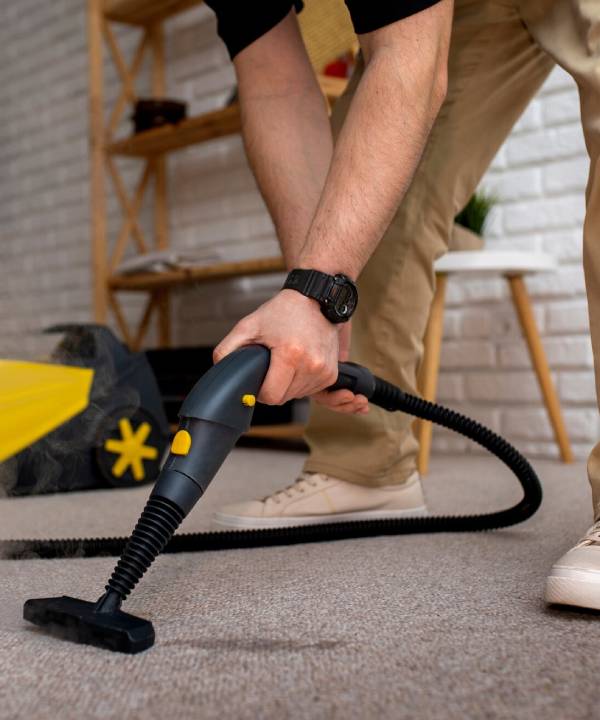
How Long Should Carpets Take to Dry After Cleaning?
Carpets should dry within 6 to 12 hours under good conditions; anything longer increases odour risk.
| Condition | Expected Drying Time |
| Good airflow, low humidity | 4-6 hours |
| Average home, some ventilation | 8-12 hours |
| Poor ventilation, high humidity | 24+ hours (risk zone) |
| Carpet with thick underlay | 12-24 hours |
If your carpet still feels damp after a full day, mould-causing moisture may already be settling into the padding.
Best Ways to Prevent Musty Odours After Carpet Cleaning
Improve airflow, control humidity, and avoid over-wetting during the clean.
- Open windows and doors immediately after cleaning
- Run ceiling fans or portable fans across the carpet surface
- Use a dehumidifier in closed or humid rooms
- Avoid walking on damp carpet with socks or bare feet
- Ask your cleaner about low-moisture carpet cleaning methods
- Vacuum thoroughly before cleaning to remove trapped dust and debris
- Treat the underlay separately if previous water damage occurred
Homes seeking carpet cleaners in Collingwood or inner-city apartments with limited window access should prioritise fan-assisted drying, as poor airflow is the single biggest contributor to lingering odours.
Choosing the Right Carpet Cleaning Method Matters
Hot water extraction with proper suction removes more moisture than steam cleaning alone.
Not all cleaning methods are equal. Hot water extraction, done correctly, pulls out up to 95% of moisture, while cheaper steam-only methods can leave carpets saturated. This is why many residents comparing carpet cleaners in Carlton North specifically ask providers about their extraction equipment and drying times before booking.
Does the Type of Carpet Affect Odour Risk?
Yes, thicker pile and older carpets with worn underlay dry slower and trap moisture longer.
Wool and high-pile carpets hold more water than synthetic, low-pile options. Older carpets with compressed or waterlogged underlay are especially prone to mould smell in carpet issues, even after a seemingly successful clean. Residents searching for the best carpet cleaning in Fitzroy North should flag carpet age and type when booking, so the technician can adjust drying techniques accordingly.
Why Professional Equipment Makes a Real Difference
Commercial-grade machines extract significantly more water than rental or domestic units.
Truck-mounted and professional-grade extraction units generate stronger suction and higher water temperatures, both of which speed up drying and reduce bacterial growth. This is a key reason professional carpet cleaning in Abbotsford and nearby suburbs continues to be preferred over DIY alternatives for musty-prone homes.
When Should You Call Expert Carpet Cleaners?
Call a professional if musty smells persist beyond 48 hours or recur after every clean.
Persistent odour, visible dark spots, or a recurring damp smell are signs of trapped moisture or mould that DIY deodorisers won’t fix. Households exploring best carpet cleaning in Kensington or carpet cleaning in Flemington should look for providers offering moisture-testing and odour-treatment guarantees, not just a standard wash.
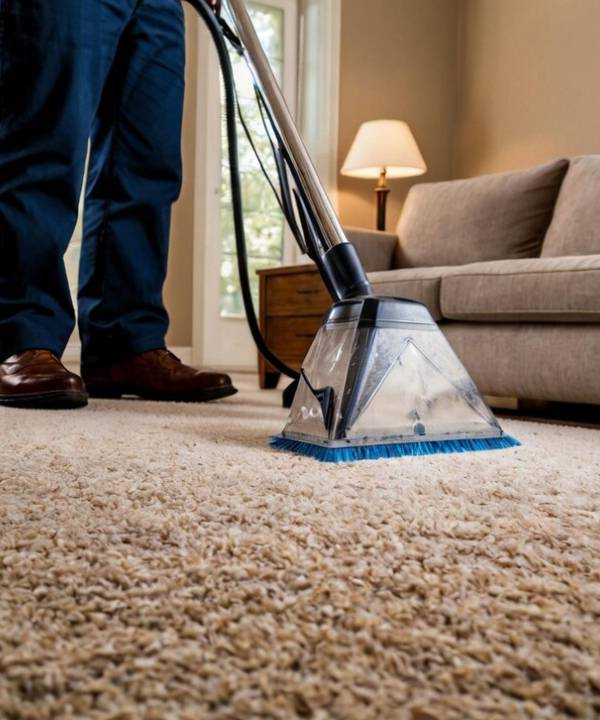
Ready for Fresh, Odour-Free Carpets?
Don’t let a musty smell ruin your freshly cleaned home. Klean Cleaning Pty Ltd uses professional-grade extraction and fast-drying techniques across Melbourne to guarantee fresh, mould-free carpets every time.
Call 0450066000 or email enquiries@kleancleaning.com.au today to book your appointment.
FAQs
- Can a musty carpet smell go away on its own?
Sometimes, with improved airflow, but persistent odours usually signal trapped moisture or mould needing treatment. - Is it safe to use carpet deodoriser on a musty smell?
Deodorisers mask odour temporarily but don’t fix the underlying moisture or mould problem. - How soon can I walk on my carpet after cleaning?
Light foot traffic is fine after a few hours, but avoid heavy use until the carpet is fully dry. - Does carpet cleaning always cause a musty smell?
No, proper extraction and drying techniques should leave carpets smelling fresh, not musty. - Can mould in carpet affect indoor air quality?
Yes, mould spores can trigger allergies and respiratory irritation if left untreated.


 Top